A groper's condemnation with 自業自得
Idiom Explanation: Reaping what you sow with 自業自得
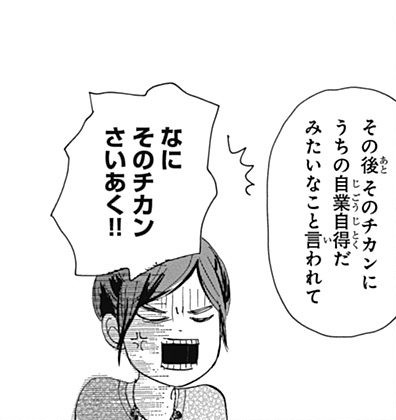
Rinko tells Saijou how she first met Takeo through her encounter with a groper on the train. It was Takeo who came to her rescue.
- 凛子:
- 「その後 そのチカンにうちの自業自得だみたいなこと言われて」
- “After that, the groper essentially told me it was my own fault.”
- 西城:
- 「なに そのチカン さいあく!!」
- “What?! That groper is the worst!”
Key Points
- 自業自得だ = “it’s your own fault”
- In this context, 自業自得 means “you brought this on yourself” or “it’s what you deserve”
- The groper is cruelly blaming Rinko, saying she deserved the harassment
- Though 自業自得 is neutral (can be used for negative or positive consequences), it’s most often used for negative outcomes
- 〜みたいなこと言われて = “was told something like…”
- みたいな here means “something like” or “essentially”; Rinko is paraphrasing what the groper said
- 言われる is the receptive form of 言う (“to say”), meaning “to be told” or “to have something said to oneself”
- Casual te-form ending: 〜言われて
- The sentence ends with the te-form 言われて, leaving the thought incomplete
- This creates a trailing effect, implying “…and then (something else happened)” or inviting the listener to imagine the situation
- Common in conversational storytelling to maintain narrative flow