Ability and capability with 能
The etymology of 能 suggests a meaning of ability or capability.
From this core sense of natural capability, the meanings extend to skill, talent, function, and the potential to do something (expressing can or possible).
Etymology
This kanji is a pictogram originally depicting a bear. The character shows two paws (represented by elements resembling 匕) and a face with an open mouth (stylized as 月). You’ll also find 能 as the central part of 熊, the kanji for bear.
Mnemonics
Bears exemplify ability and capability: they have remarkable physical prowess, strength, and versatility. They are able to climb, swim, run, and manipulate objects with dexterity. The bear reflects the potential to do something (can, possible).
Common Words
能力: Ability
能力 means ability, capability, or capacity. It refers to the power or skill to do something, whether physical, mental, or learned. This word emphasizes inherent or developed capabilities.
It combines 能 (ability) with 力 (power) to show capability or capacity.
Testing one's detective ability with 能力
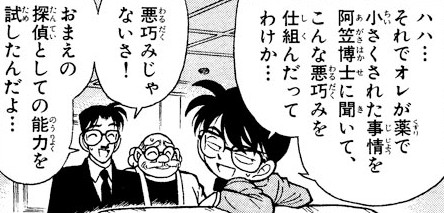
Conan finds himself in the clutches of dangerous pair, only to discover it’s his parents in disguise.
- コナン:
- 「ハハ… それでオレが薬で小さくされた事情を阿笠博士に聞いて、こんな悪巧みを仕組んだってわけか…」
- “So you heard from Dr. Agasa about how I was shrunk by a drug and cooked up this evil scheme, huh...”
- 父さん:
- 「悪巧みじゃないさ! おまえの探偵としての能力を試してんだよ…」
- “It's not an evil scheme! I'm just testing your abilities as a detective...”
才能: Talent
才能 means talent, gift, or natural ability. It refers to an innate aptitude or exceptional skill in a particular area, often suggesting something one is born with rather than purely learned.
It combines 才 (talent) with 能 (ability) to show natural talent or gifted ability.
Underutilized talent with 才能
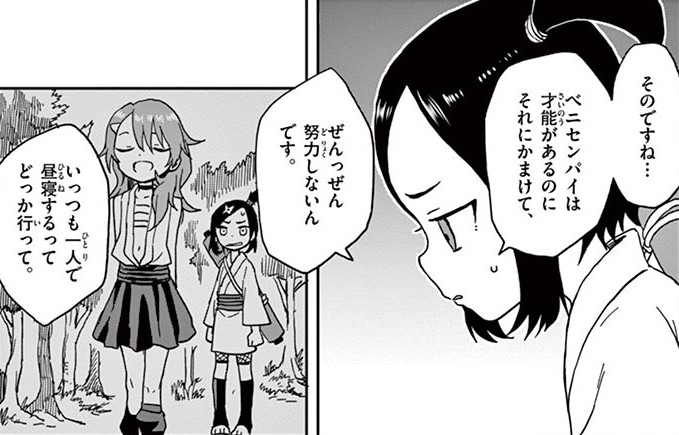
During a free day from training, Touwata and Mizubashou approach Tsubaki to request a favor. She would like Tsubaki to challenge Benisumomo to a one-on-one fight.
- トウワタ:
- 「そのですね… ベニセンパイは才能があるのにそれにかまけて、ぜんっぜん努力しないんです。」
- “Well, you see... Beni-senpai has talent, but she takes it for granted and doesn't put in any effort at all.”
- 「いっつも一人で昼寝するってどっか行って。」
- “She always go off somewhere to take a nap alone.”
本能: Instinct
本能 means instinct or innate behavior. It refers to natural, automatic responses or behaviors that are not learned but are inherent to a species or individual.
It combines 本 (origin) with 能 (ability) to show innate capability.
A cat's natural instinct with 本能
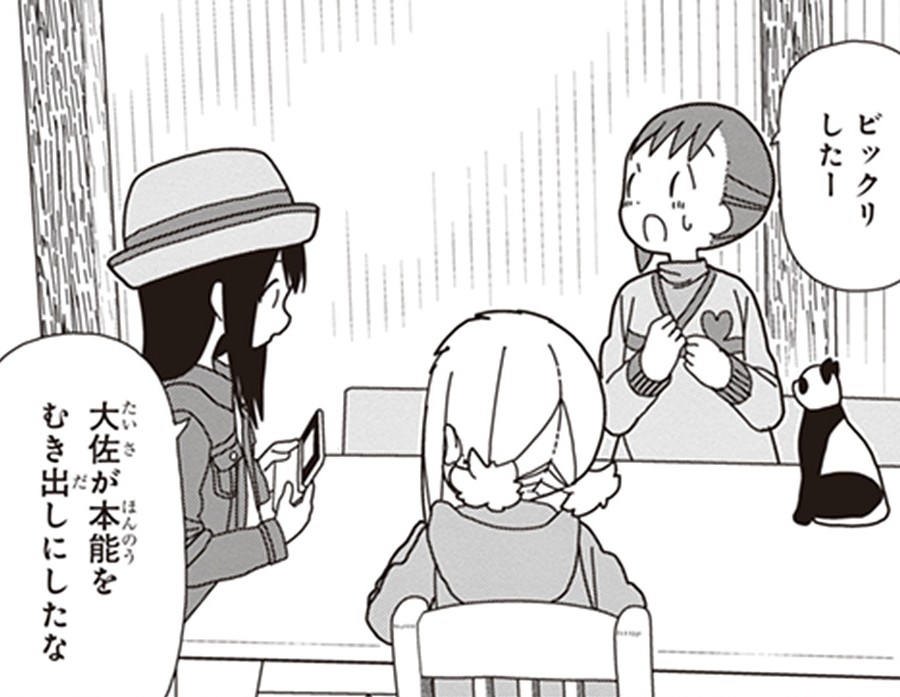
Yui and her friends are on their secret base when a pigeon flies in and lands on the table between them. The group’s cat, Colonel Monochrome, leaps after it, but the pigeon escapes.
- 結衣:
- 「ビックリしたー」
- “That surprised me!”
- 琴葉:
- 「大佐が本能をむき出しにしたな」
- “The Colonel laid bare his instincts.”
無能: Incompetence
無能 means incompetent, incapable, or ineffectual. It describes a lack of ability, skill, or effectiveness in performing tasks or fulfilling responsibilities.
It combines 無 (nothing) with 能 (ability) to show lack of ability or incompetence.
An incompetent officer with 無能
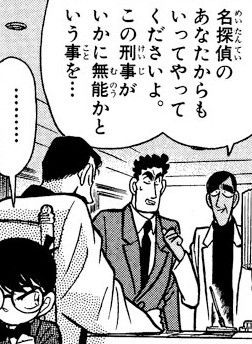
Police detective Yokomizo isn’t about to let Sasai, his prime murder suspect, leave. Sasai reminds the officer that he has photographic proof that he wasn’t near the victim at the time of the murder. He calls for Detective Mouri to back him up.
- 笹井:
- 「名探偵のあなたからもいってやってくださいよ。 この刑事がいかに無能かという事を…」
- “You, the great detective, should tell him yourself. Just how incompetent this police detective is...”
超能力: Psychic power
超能力 means psychic power, supernatural ability, or ESP. It refers to abilities that exceed normal human capabilities, such as telekinesis, telepathy, or precognition.
It combines 超 (exceed), 能 (ability), and 力 (power) to show superhuman or extraordinary power.
Psychic power in gym class with 超能力
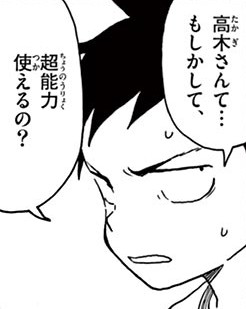
Nishikata and Takagi compete to see who can score higher on the long jump in physical education class. When Nishika lands his jump, he’s a bit shaky. He watches as the spectating Takagi sweeps her arms as if to knock him over, and he falls back, lowering his score. Takagi gives her condolences afterward.
- 西片:
- 「高木さんて…もしかして、超能力使えるの?」
- “Takagi... could it be... you have psychic powers?”
有能: Competent
有能 means competent, capable, or talented. It describes someone who possesses ability, skill, and effectiveness in their work or field. The opposite of 無能.
It combines 有 (have) with 能 (ability) to show possessing ability or competence.
Promising suitors with 有能
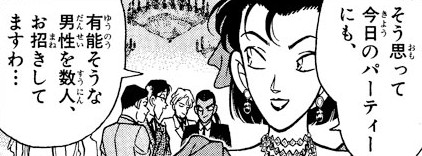
Detective Mouri is invited as a special guest to the birthday party for Reika, daughter of the Yotsui Group’s chairman. At the event, Reika announces her intent to marry.
- 霊化:
- 「そう思って今日のパーティーにも、有能そうな男性を数人、お招きしてますわ…」
- “With that in mind, I've invited several promising gentlemen to today's party...”
有能 used here refers to the men having ability or skill in their fields, an important trait for the daughter of a business conglomerate.
万能: Almighty
万能 means almighty, all-purpose, or omnipotent. It describes something or someone with universal capability, able to handle any situation or perform any function.
It combines 万 (ten thousand) with 能 (ability) to show unlimited ability or versatility.
An all-around athlete with 万能
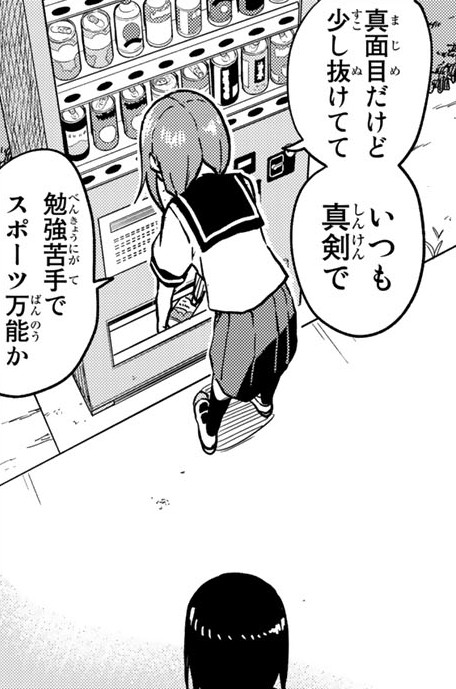
Urushi asks Rin about what Ayumu was like in middle school.
- うるし:
- 「真面目だけど少し抜けてていつも真剣で勉強苦手でスポーツ万能か」
- “Serious but a bit absent-minded, always earnest, struggles with academics, but excels at sports, huh?”
In this context, 万能 refers to being an “all-round athlete”.
機能: Function
機能 means function, capability, or feature. It refers to the purpose or role that something serves, or a specific operation that a device, system, or organism can perform.
It combines 機 (machine) with 能 (ability) to show mechanical capability or function.
Answering machine functionality with 機能
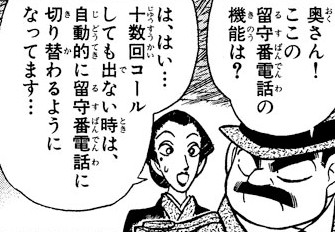
A murder suspect explains how when he called the victim, the phone kept ringing until the answering machine picked up.
- 目暮:
- 「奥さん!ここの留守番電話の機能は?」
- “Ma'am! How does this answering machine function?”
- 奥さん:
- 「は、はい… 十数回コールしても出ない時は、自動的に留守番電話に切り替わるようになってます…」
- “Well... When there's no answer after ten rings, it automatically switches to the answering machine...”
機能 refers to the mechanical function of the answering machine.
性能: Performance
性能 means performance, capability, or specifications. It refers to the functional characteristics or operating capacity of machines, devices, or systems, often measured objectively.
It combines 性 (nature) with 能 (ability) to show inherent capability or performance characteristics.
Tracking device performance with 性能
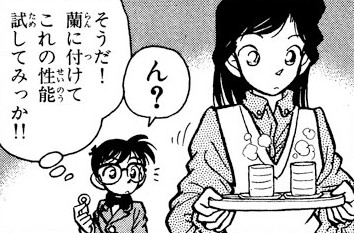
Professor Agasa gives Conan a tracking device. He eagerly looks for an opportunity to see how it works.
- コナン:
- 「そうだ!蘭に付けてこれの性能試してみっか!!」
- “I know! I'll stick it on Ran and see how it performs!!”
可能: Possible
可能 means possible, feasible, or capable of being done. It indicates that something can be accomplished or is within the realm of possibility. Often used with forms of する or as a な-adjective.
It combines 可 (can) with 能 (ability) to show capability or possibility.
Possibility of building a time machine with 可能
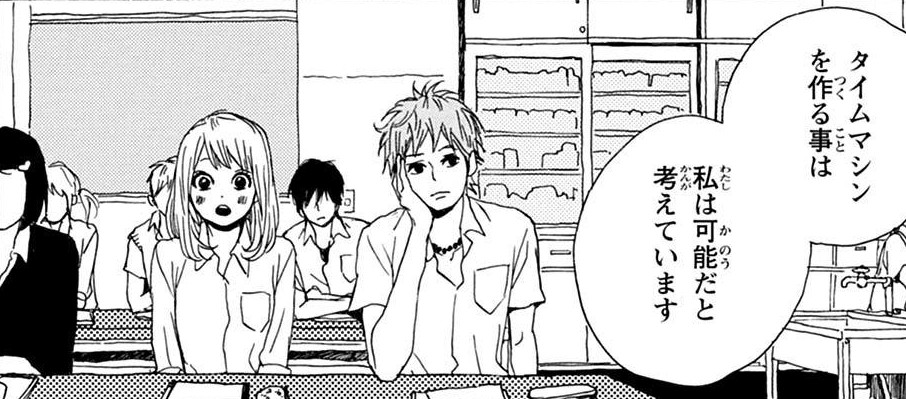
After handing test results to class, the teacher talks about theories of time travel.
- 先生:
- 「タイムマシンを作る事は私は可能だと考えています」
- “I believe it is possible to build a time machine.”