Becoming and accomplishing with 成
The core meanings of 成 are become and accomplish.
From this sense of completion or finishing, the kanji extends to meanings of forming, establishing, achieving success, and growing to maturity. It captures the transformation from an incomplete state to a finished or realized form.
Common Words
成功: Success
成功 means success or achieving one’s goal. It represents the accomplishment of what was intended or planned.
Often used alone or with する to indicate succeeding at a task, plan, or endeavor.
It combines 成 (accomplish) with 功 (achievement) to show successful accomplishment.
A successful parade with 成功
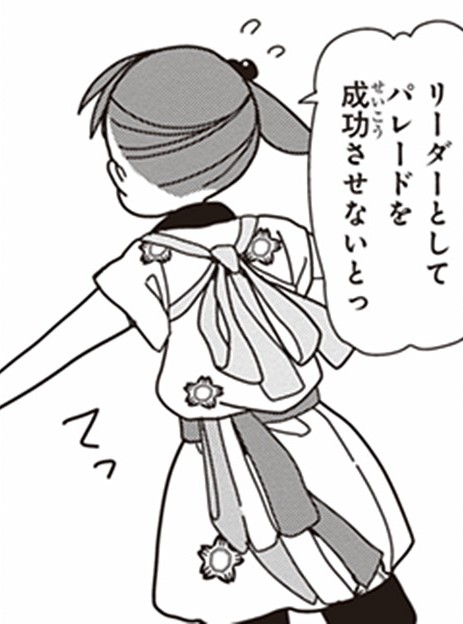
Yui’s class is participating in a parade at a festival. Yui wonders if Sacchan and Kotoha will come to watch.
- 結衣:
- 「リーダーとしてパレードを成功させないとっ」
- “As the leader, I have to make sure the parade is a success.”
完成: Completion
完成 means to complete something or bring it to perfection. It emphasizes finishing a project, work, or creation to the point where it is whole and finished.
Commonly used with する for completing construction, finishing artwork, or finalizing products.
It combines 完 (complete) with 成 (accomplish) to show bringing to completion.
Finishing clubhouse insulation with 完成
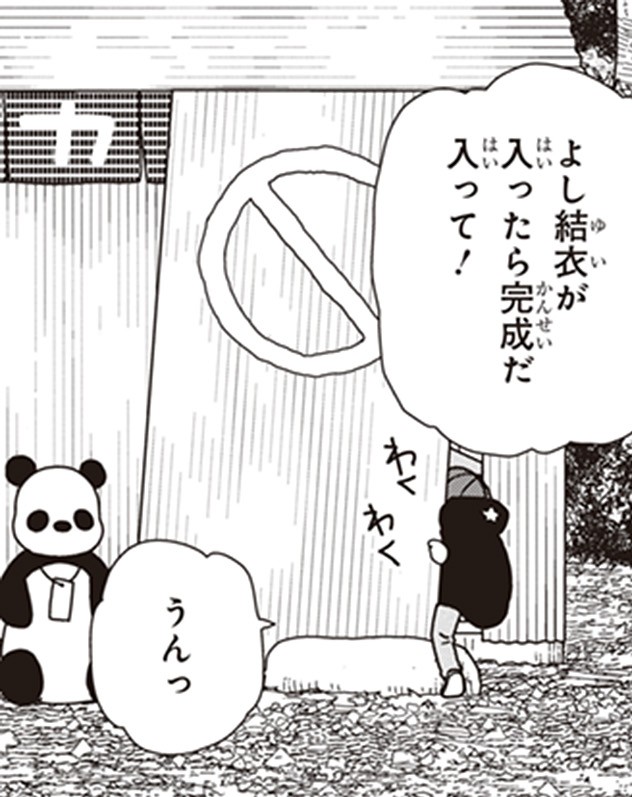
Planning for winter temperature drops, Yui and her friends use cardboard and masking tape to cover all the openings in their clubhouse. The final step is to close the door and see how it works.
- 友達:
- 「よし結衣が入ったら完成だ 入って!」
- “Yui, once you're in, it's complete. Get in!”
- 結衣:
- 「うんっ」
- “Right!”
成績: Grades
成績 refers to results, grades, or performance records, especially in academic or competitive contexts. It represents the measurable outcomes or achievements.
Most commonly used for school grades, test scores, sports records, or business performance metrics.
It combines 成 (accomplish) with 績 (achievements) to show accumulated results.
Getting good grades in school with 成績
高木さん/からかい上手の(元)高木さん-volume-13-page-44-panel-3.jpg)
Yukari stops by the preschool where Mina works, just as Takagi is there picking up her daughter. Yukari compares her life with theirs.
- ユカリ:
- 「高木ちゃんは成績よくて しっかりしてたし、」
- “Takagi-chan got good grades and had it together.”
- 「ミナは料理が得意だったりするじゃない。」
- “And Mina's good at cooking, right?”
成果: Result
成果 refers to results, outcomes, or fruits of one’s efforts. It emphasizes the tangible achievements or products that come from work or endeavor.
Often used for research results, project outcomes, or the concrete achievements of sustained effort.
It combines 成 (accomplish) with 果 (fruit) to show the fruits of accomplishment.
The result of your sales with 成果
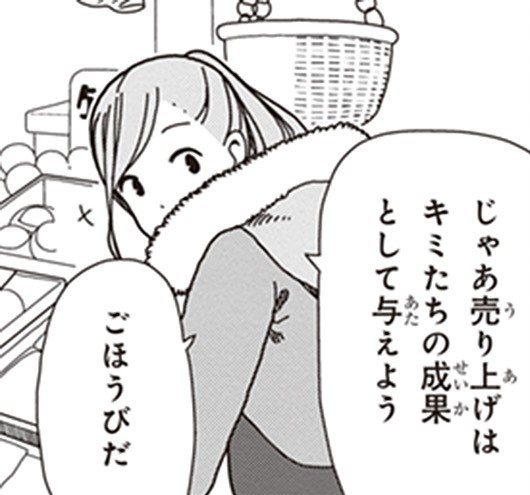
Sacchan’s mother has an overstock of bananas at her fruit shop, so she gives them to Sacchan and her friends to sell around the neighborhood. Later, Sacchan returns having sold all the bananas.
- お母さん:
- 「じゃあ売り上げはキミたちの成果として与えよう」
- “Then I'll give you the sales as your reward.”
- 「ごほうびだ」
- “Consider it a bonus.”
Translated here as “reward”, 成果 refers to the result of the work the girls put into selling the balances.
作成: Creation
作成 means to create, prepare, or make something, especially documents, plans, or data. It emphasizes the process of producing something through deliberate effort.
It combines 作 (make) with 成 (accomplish) to show making something into completed form.
Creating a report with 作成
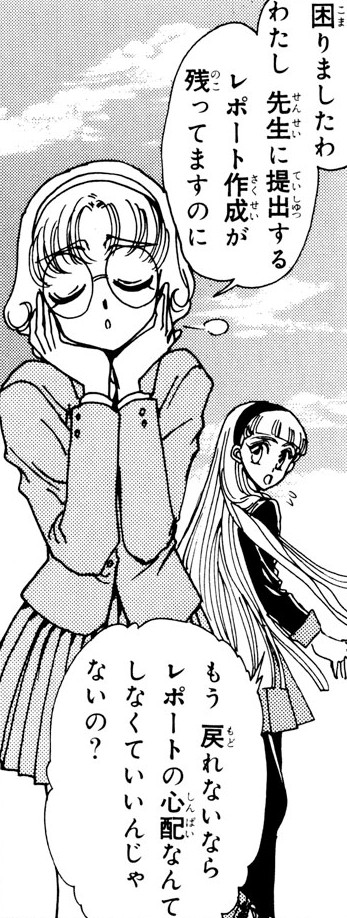
Fuu finds herself spirited away to another world, along with two other girls. A wizard appears before them, saying they cannot return home until they accomplish a specific goal.
- 風:
- 「困りましたわ。 わたし 先生に提出するレポート作成が残ってますのに」
- “Oh dear. I've still got to write that report to hand in to the teacher...”
- 海:
- 「もう 戻れないならレポートの心配なんてしなくていいんじゃないの?」
- “If we can't go back anyway, isn't there no point worrying about the report?”
賛成: Agreement
賛成 means approval, agreement, or support for a proposal or idea. It represents affirmative consent or endorsement.
Often used alone or with する to indicate agreeing with or supporting a plan, motion, or opinion.
It combines 賛 (approve) with 成 (accomplish) to show supporting something to be accomplished.
Agreeing to go somewhere else with 賛成
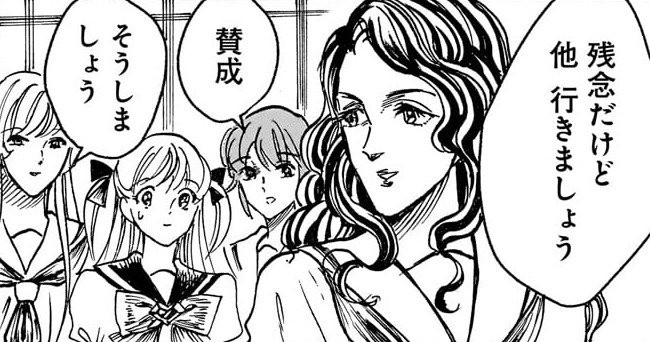
After moving and transferring schools, Lulu has finally made some friends in class. Following some after-school shopping, they stop by the group’s favorite café, only to find it filled to the brim with hoodlums.
- 響子:
- 「残念だけど 他 行きましょう」
- “Too bad... let's just go somewhere else.”
- 清美:
- 「賛成」
- “Agreed.”
- 美代子:
- 「そうしましょう」
- “Yeah, let's do that.”
成長: Growth
成長 means to grow or develop, whether physically, mentally, or in capability. It emphasizes the process of becoming mature or reaching a more advanced state.
This word is used broadly for personal development, business growth, plant/animal growth, and skill advancement.
It combines 成 (become) with 長 (grow) to show growth to maturity.
Growing in many ways with 成長
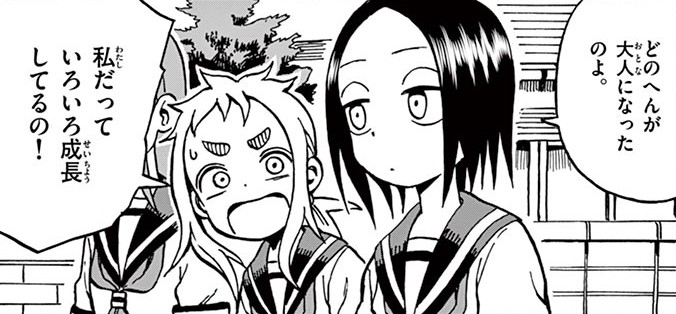
Mina buys a can of coffee, even though she’s bad at bitter drinks. When her friends question her, she says she’s grown up a bit and should be able to drink it.
- サナエ:
- 「どのへんが大人になったのよ。」
- “What part of you has grown up?”
- ミナ:
- 「私だっていろいろ成長してるの!」
- “I've grown in lots of ways!”
成立: Establishment
成立 means establishment, formation, or coming into existence. It represents the moment when something is officially formed, established, or comes into effect.
Used for the establishment of laws, organizations, agreements, or when conditions are met for something to exist.
It combines 成 (form or establish) with 立 (stand) to show bringing into established existence.
An established alibi with 成立
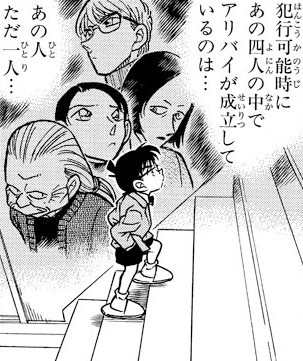
Following a murder made to look like an accidental death, Conan reviews the whereabouts of the four suspects at the time.
- コナン:
- 「犯行可能時にあの四人の中でアリバイが成立しているのは…」
- “Among those four, the one with an established alibi during the time the crime could have been committed is...”
- 「あの人だた一人…」
- “...that person alone...”
成分: component, ingredient, constituent
成分 refers to components, ingredients, or constituents that make up a substance or mixture. It emphasizes the parts that form the whole.
Commonly used for chemical components, nutritional ingredients, or constituent elements of materials.
It combines 成 (form) with 分 (part) to show the parts that form something.
A poison's composition with 成分
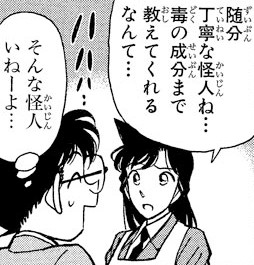
A client tells Detective Mouri about the condition in which she found her deceased husband. Hearing the details, Conan identifies the likely poison, including the composition, the dosage required to kill, and the internal effects it has on a person. When Ran asks how he knows all this, Conan covers by saying the monster villain on the kid’s TV show he watched explained it.
- 蘭:
- 「随分 丁寧な怪人ね… 毒の成分まで教えてくれるなんて…」
- “What a polite villain... Going so far as to tell the poison's composition...”
- コナン:
- 「そんな怪人いねーよ…」
- “No such monster exists...”